

The Crash Team | April 3, 2026 | Car Accidents
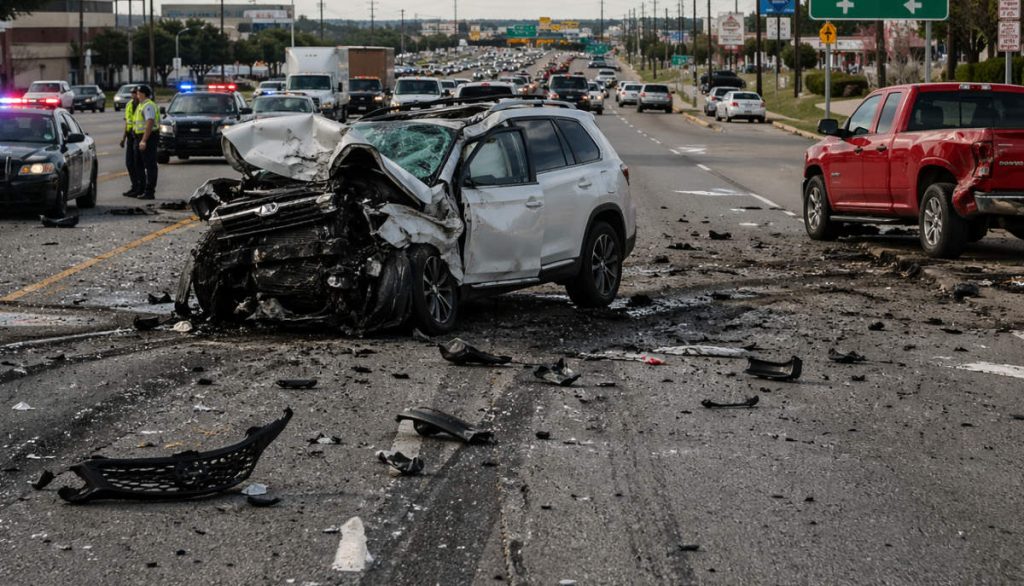
Insurance laws add quite a bit of stress to the aftermath of a car accident; sometimes, they almost add “insult to injury”. In Texas, the system that governs how fault is assigned and how claims are paid can significantly affect your financial recovery. Many drivers assume their own insurance will cover everything, but that is not how it works here.
Texas follows an at-fault insurance model, which means the person responsible for the accident is also responsible for the damages. This legal framework shapes every step of your claim, from initial reporting to final settlement or trial. Understanding how it works is essential if you want to protect your rights and maximize your compensation.
Injured in a crash? Reach out to a Texas car accident lawyer at The Crash Team. We are available 24/7. Call us today at 713-300-0000 or contact us online for a free consultation.
What Is Texas’s At-Fault Insurance System?
Texas operates under a fault-based insurance system, sometimes referred to as a “tort system.” In simple terms, the driver who caused the accident is legally responsible for covering the resulting damages. This includes medical bills, property damage, lost wages, and sometimes non-economic damages like pain and suffering.
Unlike no-fault states, where each driver turns to their own insurer regardless of fault, Texas requires a determination of liability before compensation is paid. This often leads to more investigation, more negotiation, and sometimes disputes over who is truly responsible.
Here is how claims typically proceed:
- Third-party claims: You file a claim against the at-fault driver’s insurance policy
- Direct lawsuits: You may sue the at-fault driver if insurance is insufficient
- First-party coverage: Your own policy may apply in limited situations, such as uninsured motorist coverage
This structure creates both opportunity and risk. If liability is clear, you may recover full damages. If fault is contested, your claim can become significantly more complex.
The Role of Fault in Determining Compensation
Fault is not just a formality; it directly determines whether you get paid and how much. Texas follows a modified comparative fault rule under Texas Civil Practice and Remedies Code §33.001. This law states that you can recover damages only if you are less than 51% responsible for the accident.
Even then, your compensation is reduced by your percentage of fault. For example, if you are awarded $100,000 but found 20% at fault, you would receive $80,000.
This creates several important consequences:
- Disputed liability: Insurance companies often argue over percentages of fault
- Reduced settlements: Even partial blame can significantly lower your recovery
- Case strategy shifts: Evidence becomes critical to proving fault allocation
A common example involves intersection accidents. One driver may claim the other ran a red light, while the opposing driver argues improper lane use. Without clear evidence, fault may be split, reducing compensation for both parties.
Texas Insurance Requirements and Coverage Limits
Texas law requires all drivers to carry minimum liability insurance under the Texas Transportation Code §601.072. These minimums are often referred to as 30/60/25 coverage:
- $30,000 per person: For bodily injury
- $60,000 per accident: For total bodily injury
- $25,000: For property damage
While these limits satisfy legal requirements, they are often insufficient in serious accidents, especially those involving catastrophic injuries or multi-vehicle collisions.
Consider a scenario involving a severe truck accident or a traumatic brain injury. Medical bills alone can exceed $100,000 within weeks. If the at-fault driver only carries minimum coverage, victims may face a gap between damages and available compensation.
This is where additional coverage options come into play:
- Uninsured/Underinsured Motorist (UM/UIM): Helps cover damages when the at-fault driver lacks sufficient insurance
- Personal Injury Protection (PIP): Covers medical expenses regardless of fault
- Medical Payments Coverage (MedPay): Provides limited medical reimbursement
Understanding these layers can make a substantial difference in how your claim unfolds.
How Insurance Companies Use the At-Fault System to Their Advantage
Insurance companies operate within the at-fault system, but they also use it strategically to limit payouts. Their goal is not to maximize your recovery; it is to protect their bottom line.
One common tactic is to dispute liability or assign partial fault. Even a small percentage shift can save insurers thousands of dollars. Adjusters may also question the severity of your injuries or argue that pre-existing conditions contributed to your damages.
Here are a few tactics often used:
- Recorded statements: Designed to elicit responses that can be used against you
- Low initial offers: Hoping you accept before understanding the full value of your claim
- Delays: Prolonging the process to pressure you into settling
This dynamic is especially challenging in complex cases, such as rideshare accidents or multi-car freeway pileups, where multiple parties and insurers are involved.
Filing Deadlines and Legal Timelines in Texas
Timing plays a crucial role in any car accident claim. Texas imposes a strict statute of limitations under Texas Civil Practice and Remedies Code §16.003. In most cases, you have two years from the date of the accident to file a personal injury lawsuit.
Missing this deadline typically means losing your right to pursue compensation entirely.
However, deadlines are not limited to lawsuits. Insurance policies often require prompt reporting, and delays can lead to denied claims. Additionally, evidence tends to fade over time, making early action critical.
Key timelines to keep in mind include:
- Immediate reporting: Notify your insurer as soon as possible
- Medical documentation: Seek treatment quickly to establish a record
- Legal consultation: Early guidance can preserve evidence and strengthen your claim
In some cases, exceptions may apply, such as when injuries are not immediately apparent, but relying on exceptions is risky. Acting promptly is always the safer approach.
Settlement vs. Trial in an At-Fault System
Most car accident claims in Texas are resolved through settlements rather than trials. However, the at-fault system influences how these outcomes are reached.
Settlements typically occur when both sides agree on liability and damages. This process is faster and less expensive than litigation. Trials, on the other hand, become necessary when fault is disputed or when insurers refuse to offer fair compensation.
Here is a comparison:
- Settlement (faster resolution): Lower costs, less stress, but potentially lower payouts
- Trial (full litigation): Higher potential compensation, but longer timelines and greater uncertainty
For example, a straightforward rear-end collision may settle quickly if fault is clear. In contrast, a contested T-bone accident involving multiple drivers may require expert testimony and courtroom proceedings.
At The Crash Team, we evaluate each case individually, balancing the benefits of settlement against the potential advantages of going to trial.
Why Legal Representation Matters More in At-Fault States
In an at-fault system like Texas, having strong legal representation is not just helpful; it can be decisive. Proving fault, negotiating with insurers, and navigating legal procedures require experience and strategy.
Our attorneys focus on building comprehensive cases that include:
- Accident reconstruction: Establishing how the crash occurred
- Medical evidence: Demonstrating the full extent of injuries
- Damage calculations: Accounting for both economic and non-economic losses
This approach is particularly important in serious cases, such as 18-wheeler accidents, catastrophic injuries, or wrongful death claims. These cases often involve multiple parties, complex liability issues, and high financial stakes.
Without proper representation, it is easy to accept a settlement that falls far short of what you are entitled to under Texas law.
Let The Crash Team Help You Navigate Texas’s At-Fault System and Protect Your Claim
Texas’s at-fault insurance system can feel overwhelming, especially when you are dealing with injuries, medical bills, and pressure from insurance companies. The rules are complex, and the stakes are high; one misstep can reduce or even eliminate your compensation.
At The Crash Team, we understand how these laws impact your case because we work within this system every day. We fight to establish clear liability, push back against unfair tactics, and pursue the full compensation you deserve.
If you have been injured in a car accident in Sugar Land or anywhere in Texas, do not try to handle the process alone. Contact The Crash Team online, or call us today at 713-300-0000 for a free consultation and let us help you move forward with confidence.
