
The Crash Team | March 27, 2026 | Car Accidents
The records created after a crash can significantly affect how insurance companies evaluate the claim and whether an injured person ultimately receives compensation. In Texas, several documents play a central role in accident investigations and personal injury cases. Some are created at the crash scene, while others develop over weeks or months as medical treatment continues.
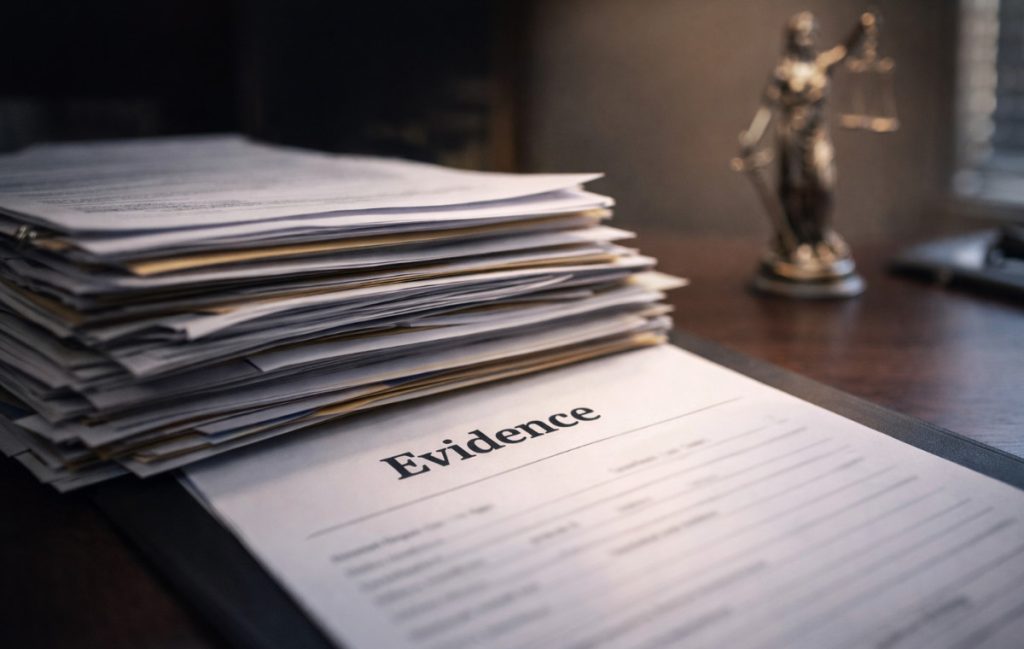
At The Crash Team, our Texas car accident lawyers explain to clients that the strength of a case often depends on the paper trail behind it. If you need help with your car accident claim or any documents related to it, don’t hesitate to call us at 713-300-0000 or contact us online for a free consultation.
Police Accident Report
One of the first documents created after a car crash is the official police accident report, commonly known in Texas as the CR-3 crash report. Law enforcement officers prepare this report after responding to accidents involving injuries, fatalities, or significant property damage.
Under Texas Transportation Code §§550.026 and 550.041, certain accidents must be reported to law enforcement. The officer then documents key facts about the crash scene. Although a police report does not determine legal fault by itself, it often becomes a central piece of evidence for insurance companies and attorneys.
A typical Texas crash report may include:
- Date, time, and location of the accident
- Names and contact information of drivers and passengers
- Insurance details for each vehicle involved
- Statements from witnesses
- Diagrams illustrating how the crash occurred
- The officer’s observations about contributing factors
At The Crash Team, we review police reports early in every case. These documents help us identify witnesses, locate surveillance footage, and determine whether additional investigation may be necessary. You can also get a copy of your car accident police report through TxDOT’s Crash Records Information System (CRIS).
Sometimes a report contains mistakes or incomplete information. When that happens, additional evidence may be required to clarify what truly happened, and the police report may need to be challenged.
Medical Records and Treatment Documentation
Medical records are among the most critical documents in any injury claim. They show not only that an injury occurred, but also how severe it was and what treatment was required.
Insurance companies carefully analyze medical documentation when evaluating a claim. A gap in treatment or missing records can lead insurers to argue that injuries were minor or unrelated to the accident.
Important medical documents often include:
- Emergency room records
- Diagnostic imaging results such as X-rays, MRIs, or CT scans
- Physician notes describing injuries and treatment plans
- Physical therapy or rehabilitation records
- Prescription records
- Medical bills and invoices
In serious cases involving traumatic brain injuries, spinal cord injuries, or catastrophic injuries, medical documentation becomes even more significant. Long-term care plans, specialist evaluations, and surgical reports may all become part of the claim.
Our attorneys often work with medical experts to interpret these records and explain how injuries affect a person’s daily life and future earning capacity.
Insurance Communications and Claim Documents
Insurance companies generate a large amount of paperwork after a crash. Many accident victims do not realize how important it is to keep these communications organized.
Insurance claim files often include written correspondence, recorded statements, claim numbers, and settlement discussions. These documents may later reveal how the insurer handled the claim and whether negotiations were conducted fairly.
Common insurance documents include:
- Claim confirmation letters
- Emails or written communication with adjusters
- Settlement offers
- Policy declarations showing coverage limits
- Recorded statement transcripts
Texas operates under an at-fault insurance system, meaning the driver responsible for the crash is typically liable for damages. However, determining responsibility sometimes becomes a contested issue.
In disputed claims, these insurance communications can reveal whether the company attempted to shift blame or undervalue the claim. We often analyze this correspondence during the negotiation phase of a personal injury case.
Photographs, Video Evidence, and Scene Documentation
Visual evidence can be extremely persuasive. Photos and videos often provide details that written reports cannot fully capture.
In many accident cases, images taken at the scene help reconstruct how the crash occurred. They may show road conditions, traffic signals, weather factors, or vehicle damage patterns.
Important types of visual evidence may include:
- Photographs of vehicle damage
- Pictures of skid marks or debris on the roadway
- Traffic camera footage
- Dashcam recordings
- Surveillance footage from nearby businesses
For example, in a rear-end collision, photographs of vehicle damage can support a claim that the trailing driver failed to maintain a safe following distance. In intersection crashes, video footage may reveal which driver had the right of way.
At The Crash Team, we often gather visual evidence during the early investigation stage of a case. Acting quickly is important because some footage, such as traffic camera recordings, may only be stored for a limited period.
Employment and Wage Documentation
Car accident injuries frequently disrupt a person’s ability to work. For many victims, lost income becomes one of the most immediate financial consequences of the crash.
Employment records help establish how the accident affected a person’s earnings and career trajectory. These documents allow attorneys to calculate economic damages accurately.
Relevant wage-related documents often include:
- Recent pay stubs
- Employer verification letters
- Tax returns
- Records of missed workdays
- Documentation of reduced work capacity
In some cases, injuries prevent individuals from returning to their previous jobs. For example, a construction worker who suffers a spinal injury may be unable to perform physically demanding tasks.
When that happens, financial experts may evaluate the long-term loss of earning capacity. These calculations rely heavily on employment records and income documentation.
Medical Expense Records and Financial Impact Documents
Beyond medical records themselves, accident victims often accumulate significant financial documentation related to their injuries.
Healthcare costs may extend far beyond the initial emergency treatment. Ongoing therapy, specialist visits, and assistive equipment can create long-term expenses.
Key financial records often include:
- Hospital billing statements
- Physical therapy invoices
- Medical equipment receipts
- Prescription medication costs
- Travel expenses related to medical appointments
Insurance companies frequently scrutinize these documents during settlement negotiations. They may challenge certain expenses or attempt to argue that treatment was unnecessary.
At The Crash Team, we carefully organize these records when preparing a claim. Clear financial documentation strengthens negotiations and helps ensure accident victims receive compensation that reflects the true cost of their injuries.
Let The Crash Team Help You Organize the Documents That Protect Your Case
After a car accident, the number of documents involved can quickly become overwhelming. Police reports, medical records, insurance correspondence, and financial documents all play important roles in determining how a claim unfolds. Keeping these materials organized is essential because insurance companies closely review them when deciding how much compensation to offer. If you are unsure which records matter most, our attorneys can help guide you through the process.
At The Crash Team, we work directly with our clients to gather and analyze the documents that strengthen their cases. Led by attorneys Aaron Galvan and Breanne Galvan, our firm focuses on serious accident claims across Texas, including car crashes, truck accidents, motorcycle accidents, rideshare collisions, and catastrophic injuries.
If you were injured in a collision and need help protecting your rights, contact The Crash Team or call us at 713-300-0000 today for a free consultation. We are ready to review your case, explain your options, and help you pursue the compensation you deserve.
